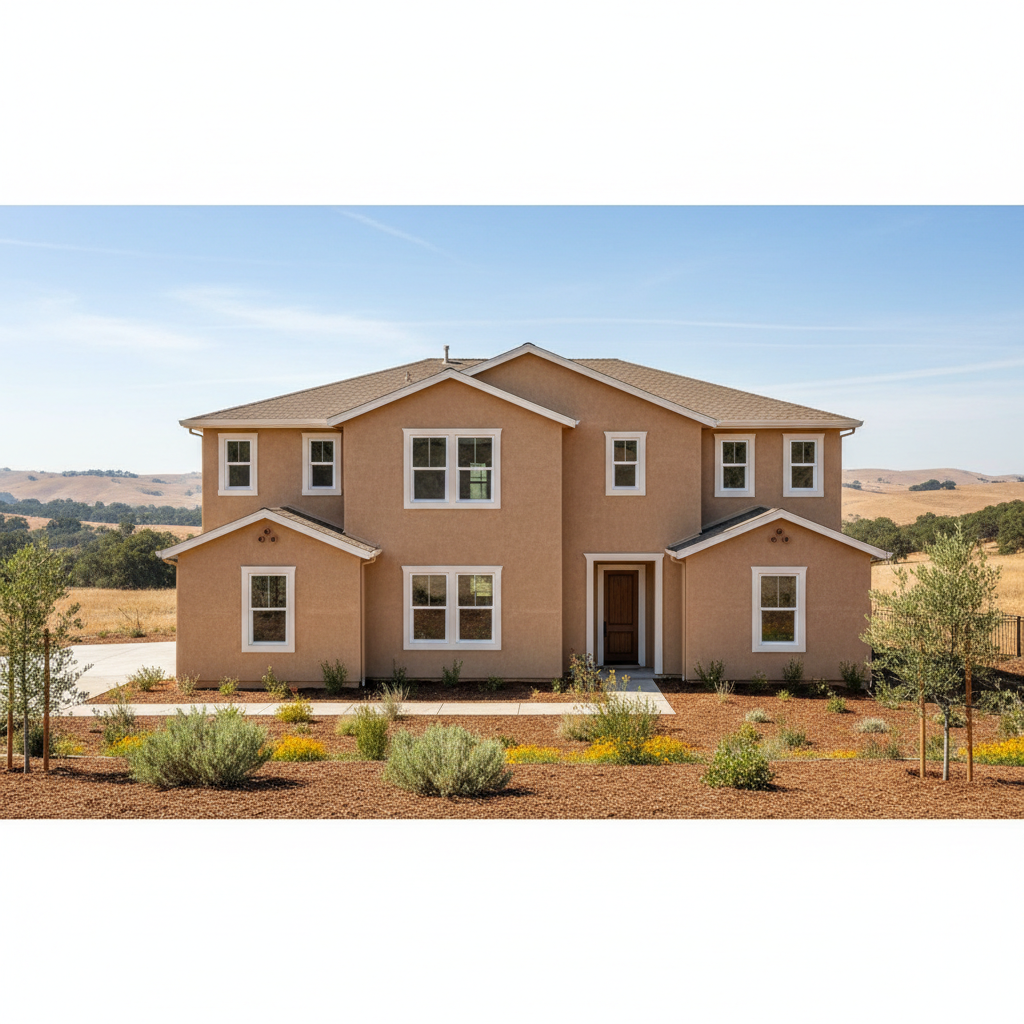
Alright, let's talk about EIFS. Maybe you're thinking about giving your King City home a fresh, modern look, or perhaps you want to boost its insulation. Either way, you've landed on Exterior Insulation and Finish Systems. It's often a really smart choice for all sorts of reasons, but like any big home project, you can't just dive in without a good plan. I've been around enough EIFS jobs over the years to know what makes one go smoothly and what turns it into a real headache. So, let's break down what you actually need to know.
Your EIFS Project Timeline: What to Expect
People always ask me, "How long is this going to take?" And the honest answer? Well, it depends. But I can definitely give you a general idea. From the moment you decide you want EIFS to the day it's all wrapped up, you're probably looking at a few weeks—maybe a month or two. It really just depends on how big your house is and how complex the design gets.
- Initial Consult & Quote (1-2 weeks): This is when you're calling contractors like Valley Stucco Co, getting us out to your place, talking through your vision, and getting estimates. Don't rush this part, okay? Get a few quotes; make sure you understand what each one actually includes.
- Permits (2-4 weeks, sometimes more): Honestly, this is often the longest waiting game. King City requires permits for exterior renovations, and EIFS is no different. Your contractor should handle this, but it's good to know it's happening in the background.
- Material Ordering & Delivery (1-3 weeks): Once those permits are in hand, we order the specific EIFS components. Sometimes there are lead times, especially if you've picked custom colors or finishes.
- Installation (2-4 weeks for an average home): This is the active phase, when things really start happening. It involves prepping the walls, putting up the insulation board, applying the base coat with its mesh, and then the finish coat. Weather plays a big role here; we can't apply EIFS in heavy rain or freezing temperatures. We don't see much of that here in King City, thankfully, but it's still a factor.
- Curing & Final Touches (a few days): The EIFS needs time to properly cure. After that, it's about cleaning up, taking down the scaffolding, and doing a final walkthrough.
So, from beginning to end, you're likely looking at a 6-10 week window for a typical home. It's not an overnight job, not by a long shot, and patience is definitely key.
What Happens During Installation?
When we're on site, you'll see a pretty clear process unfold. First, we protect your property. That means covering up landscaping, walkways, and anything else around the house. Then, we get to the walls themselves. Any old siding, trim, or loose debris needs to come off. We're looking for a clean, sound surface. Sometimes we find surprises once the old stuff is gone—like rot or damaged sheathing—which we'll discuss with you right away.
Next comes the insulation board. These are rigid panels that either get fastened mechanically or glued to your exterior walls. This is where a lot of your home's improved energy efficiency really comes from. After that, we put on a base coat, which is a cement-like material, and embed a fiberglass mesh into it. This mesh gives it impact resistance and strength. Finally, the finish coat goes on. This is what you'll actually see—it's acrylic-based, comes in tons of colors and textures, and gives EIFS its distinctive look. We're pretty careful about keeping a clean site, but it's a construction zone, so expect some dust and noise, okay?
How to Prepare Your Home
You can make things a lot easier for everyone, including yourself, by doing a little prep work before we even show up. Trust me, it really helps.
- Clear the Perimeter: Move all your patio furniture, grills, planters, kids' toys, and anything else away from the house. We need a clear path, usually about 3-5 feet, all the way around.
- Trim Landscaping: If you have bushes or trees right up against the house, trim them back. We don't want to damage them, and we need access to the walls.
- Address Sprinklers: Make sure your sprinkler heads are either marked clearly or, even better, temporarily capped or adjusted so they don't spray the work area. Wet EIFS isn't good for the project.
- Secure Pets: Keep your furry friends inside or in a secure, enclosed area away from the construction. We'll have tools, materials, and people moving around.
- Expect Noise: There will be noise. Drills, mixers, maybe some light hammering. If you work from home or have young kids, just be aware.
- Access to Power/Water: We'll need access to exterior power outlets and a water spigot.
It's all about making the work area safe and accessible. A little effort here saves a lot of time and potential headaches later.
Questions to Ask Before You Sign
This is crucial. Seriously. Don't just go with the cheapest bid. Ask these questions:
- Are you licensed and insured for EIFS work in California? This is non-negotiable. Ask for proof of both.
- Can you provide references from other EIFS projects in King City or nearby? I'm talking about jobs you can actually drive by and look at, and people you can call.
- What specific EIFS manufacturer systems do you use (e.g., Dryvit, Sto, Senergy)? There are different systems, and a good contractor will know all about them.
- What's your warranty on both materials and labor? Get it in writing.
- Who will be my main point of contact throughout the project? You don't want to be guessing who to call with questions.
- How do you handle unexpected issues, like discovering rot behind the old siding? A clear process for change orders is important.
- What's the payment schedule? Don't pay everything upfront. A typical schedule is a deposit, progress payments, and a final payment upon completion and your satisfaction.
- Will you pull all necessary permits? Make sure they handle this.
- How do you protect my property during the installation? Ask about tarps, netting, and cleanup procedures.
Getting EIFS on your home is a big investment, and it's one that can really pay off in terms of curb appeal and energy savings. But like anything, the success of the project really comes down to good planning and working with the right people. Do your homework, ask the tough questions, and you'll be happy with the results.