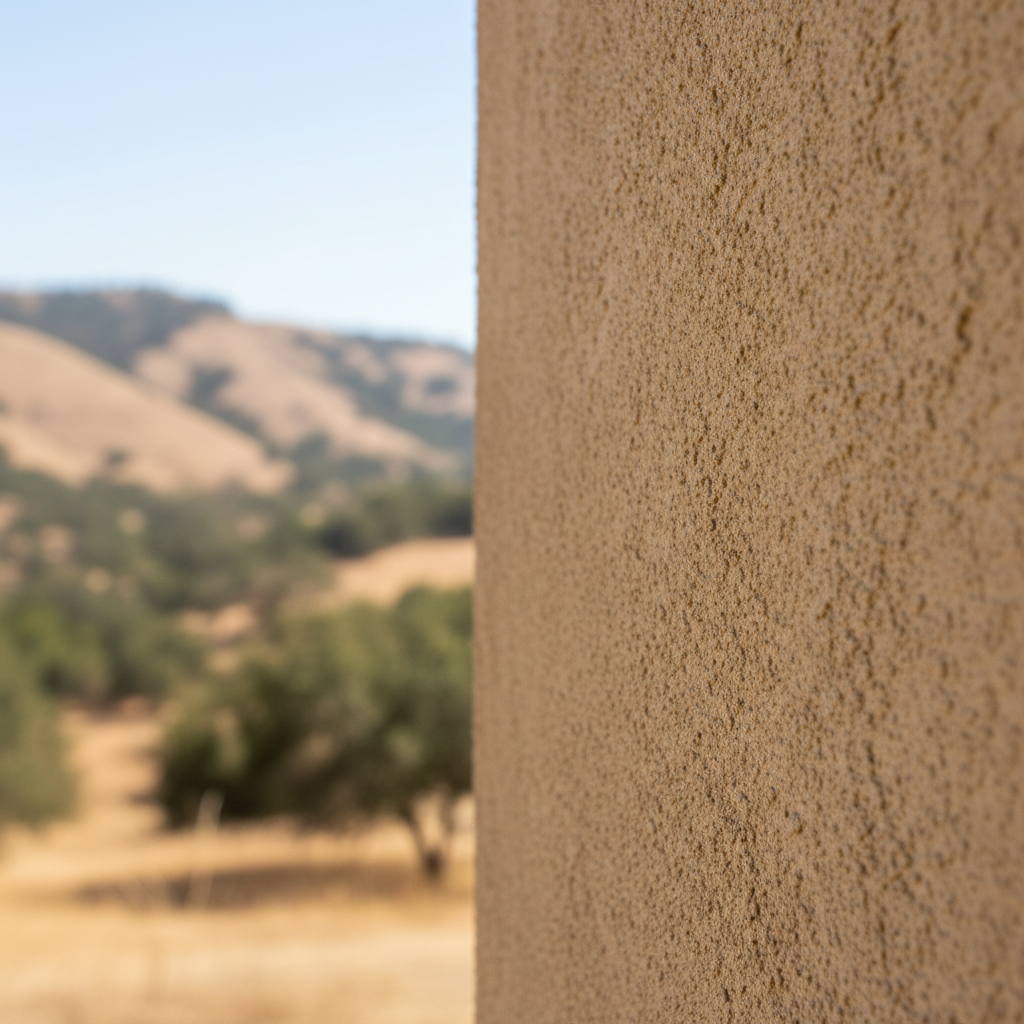
Your stucco isn't just for looks; it's your home's first line of defense against the elements. If you've got stucco, you need to know how to keep an eye on it. It's not rocket science, but there are definitely things you can do yourself and times when you absolutely need a pro.
Before You Even Start Looking: What to Know
First off, understand what you're looking at. Most homes around King City, especially the older ones in neighborhoods like the ones off Broadway, probably have traditional hard-coat stucco. Newer builds might have synthetic (EIFS), which has different characteristics. Either way, the goal is to keep water out. Stucco is designed to shed water, not absorb it. Any place water can get in and stay is a problem waiting to happen.
You don't need fancy tools to start. Just your eyes, maybe a flashlight, and a notepad. Think of it as a regular check-up for your house. Do it once a year, maybe twice if we've had a particularly wet winter or a run of those hot, dry winds that can really bake things.
Know your home's history. Has it had any leaks? Were windows replaced recently? Any additions? All these things can impact how your stucco is performing. If you bought the house recently, check the inspection report for any notes on the stucco.
Your DIY Stucco Inspection: What to Look For
Alright, let's get down to it. Walk around your house, slowly, and look at everything. Don't rush it.
- Cracks: Not all cracks are bad, but you need to know the difference. Hairline cracks, especially around windows or doors, are often just settlement cracks and aren't usually a major water entry point. They're cosmetic. Bigger cracks, though, especially those that are wider than a credit card, spiderweb patterns, or horizontal cracks, can be serious. If you can see the lath or sheathing underneath, that's a red flag.
- Stains: Dark streaks, especially below windows, at the base of walls, or near rooflines, usually mean water is getting in and running down. Green or black stains could be mold or mildew, indicating prolonged moisture. Rust stains often point to metal components (like flashing or fasteners) corroding behind the stucco.
- Bulges or Soft Spots: Gently press on the stucco in various places, especially near the bottom of walls or around openings. If it feels soft, spongy, or sounds hollow when you tap it, that's a sign of water damage and rot underneath. A bulge means something is pushing out from behind, which is never good.
- Separation: Look at where the stucco meets other materials – windows, doors, trim, the foundation, or the roof. There should be a clean, sealed joint. If you see gaps, crumbling, or separation, water can easily get in. Caulking dries out and cracks over time, so these joints need regular attention.
- Flashing: This is critical. Flashing is the metal or plastic barrier that directs water away from vulnerable areas. Check around chimneys, where the roof meets a wall, and above windows and doors. Is it present? Is it intact? Is it properly integrated with the stucco? If it's bent, rusted, or missing, that's a big problem.
- Weep Screeds: At the very bottom of your stucco wall, there should be a metal strip called a weep screed. It's designed to allow any moisture that gets behind the stucco to drain out. Make sure it's not buried by landscaping or dirt. It needs to be clear and visible, usually at least 6 inches above grade. If it's covered, water can wick up into your walls.
When to Call a Pro (Like Valley Stucco Co.)
You've done your walk-around, and maybe you've found some things. When do you stop being a detective and call in the cavalry? Here's my advice:
- Extensive Cracking: If you've got widespread cracking, especially if it's deep or you can see underlying materials, don't try to patch it yourself. That's a structural issue or a major water intrusion point that needs expert assessment.
- Soft or Bulging Areas: Any soft spots, bulges, or areas that sound hollow are almost certainly hiding significant water damage. You can't just patch over that; the underlying rot needs to be addressed, which means opening up the wall.
- Persistent Stains: If you've got stains that keep coming back, even after cleaning, or if they're accompanied by other signs of moisture, it means the source of the water hasn't been fixed. A professional can use moisture meters and thermal imaging to pinpoint exactly where the water is coming from without tearing your walls apart unnecessarily.
- Suspected Flashing Issues: Flashing is tricky. If it's not installed right, or if it's failed, it can cause massive damage. This isn't a DIY fix.
- You're Selling or Buying: If you're getting ready to sell, a professional stucco inspection can give buyers peace of mind or help you address issues beforehand. If you're buying, it's a non-negotiable part of your due diligence.
- Just Plain Unsure: Look, if you're not confident in what you're seeing, or if you just want a professional opinion, there's no shame in calling someone. It's better to be safe than sorry. We've seen too many small problems turn into huge, expensive repairs because homeowners waited too long.
After the Inspection: What Happens Next
Whether you've done a DIY check or had Valley Stucco Co. come out, the next step is action. If you found minor issues like small hairline cracks or dried-out caulk, you can probably handle those yourself with the right materials. Use a good quality, paintable caulk for joints and a stucco patch for small cracks. Just make sure the area is clean and dry first.
For anything more serious, you'll get a detailed report from a professional. This report should outline the issues, their likely causes, and recommended solutions. Don't just jump at the cheapest fix. Ask questions. Understand what they're proposing and why. A good contractor will explain everything clearly.
Remember, regular maintenance and early detection are your best friends when it comes to stucco. A little attention now can save you a whole lot of headache and money down the road. Your home will thank you for it.