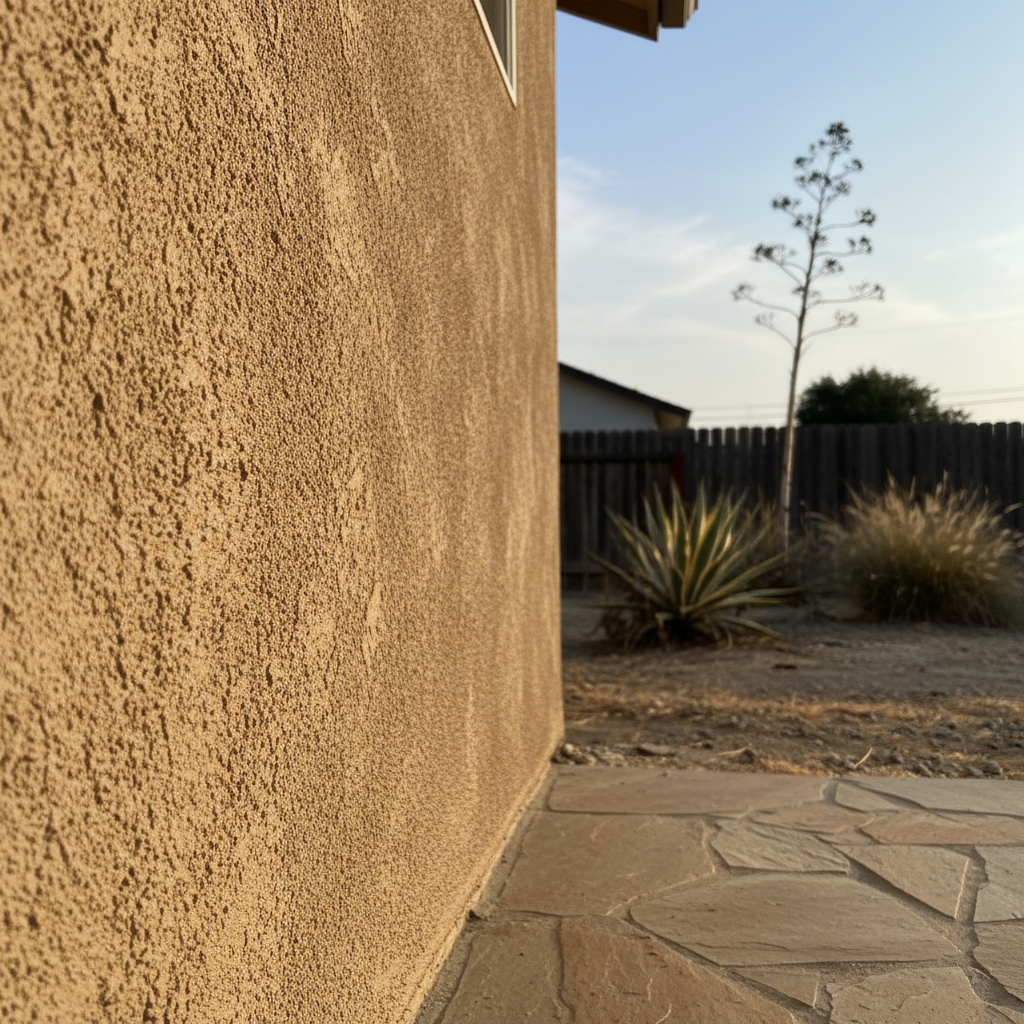
So, you're looking at your stucco and thinking it's time for a facelift. Maybe it's just looking tired, or you've got some old repairs that stick out like a sore thumb. Redashing stucco can make a huge difference, giving your King City home a whole new look without tearing everything down. But it's not always as simple as slapping on a new coat. Let's talk about what you can realistically do yourself and when you absolutely need to bring in someone like us at Valley Stucco Co.
What Even Is Stucco Redashing?
Alright, first things first. Redashing isn't just painting over your old stucco. It's applying a brand new, thin layer of finish coat right over the existing one. This new layer can be a different color, a different texture, or both. It's a great way to refresh your home's exterior, cover up minor imperfections, or just update the style without going through a full stucco replacement, which is a much bigger job.
Think of it like putting a fresh topcoat on your nails, but for your house. It revitalizes the look and can add a layer of protection, especially if your old finish is starting to get chalky or faded.
Before You Even Think About Mixing Stucco
Assess Your Existing Stucco
This is probably the most critical step, and honestly, where a lot of homeowners get into trouble trying to DIY too much. You need to check the condition of your current stucco. Is it solid? Tap on it. Does it sound hollow in spots? Are there big cracks, or areas where it's crumbling? If you've got widespread cracking, moisture issues, or large sections that are loose, redashing isn't going to fix that. You're looking at repairs first, maybe even a full re-stucco in those areas. Trying to redash over a failing substrate is like putting a band-aid on a broken leg – it just won't hold.
Small, hairline cracks? Those can often be filled and covered by a redash. But anything bigger than a quarter-inch, or spiderweb cracking across a large area, means you've got bigger issues that need a professional eye.
Cleaning is Key
Whether you're doing it yourself or hiring us, the surface has to be clean. I'm talking power washing, scrubbing off all the dirt, mildew, and loose paint. Any grime left behind will prevent the new stucco from bonding properly. Let it dry completely – and I mean completely – before you do anything else. In King City, with our dry summers, this usually isn't a problem, but if you're doing this in a wetter season, give it extra time.
Patching and Prep Work
This is where the line between DIY and pro starts to blur. Small patches, like nail holes or tiny chips, you can probably handle with a good quality stucco patch. Follow the directions on the bag carefully. For larger patches, or if you're trying to match an existing texture, that's when you might want to call in a pro. Getting the texture right so it blends seamlessly is an art form, not just a science. You'll also need to mask off windows, doors, and anything else you don't want stucco on.
During the Redashing Process: DIY vs. Pro
The DIY Redash: Smaller Jobs Only
If you're just doing a small section, like a garden wall or a small porch column, and you're comfortable with a trowel, you could try it yourself. You'll need to get the right type of finish coat material – usually an acrylic finish or a traditional cement-based finish. Mixing it to the right consistency is crucial. Too thin, it'll run; too thick, it'll be hard to apply and won't spread evenly. Applying it takes practice. You'll need to apply it evenly, usually in one pass, and then work quickly to achieve your desired texture.
Remember, it's really hard to get a consistent look across a large area if you're not experienced. You'll see trowel marks, inconsistencies in thickness, and texture variations. For a small, out-of-the-way spot, maybe that's fine. For the front of your house? Probably not.
When to Call a Pro (Most of the Time)
For an entire house, or even a large wall, I'm going to tell you straight up: hire a professional. Here's why:
- Consistency: We've got the tools and the experience to apply stucco evenly, from top to bottom, with a consistent texture. It's not just about slapping it on; it's about technique.
- Speed: Stucco dries. Fast. Especially in our King City heat. You need to work quickly and efficiently to avoid cold joints (where one section dries before you can blend the next, leaving a visible seam). A crew can cover a large area much faster than one person.
- Equipment: We have scaffolding, mixers, spray rigs (for certain finishes), and all the specialized trowels and floats needed to get a professional finish.
- Material Knowledge: We know which materials work best for different situations and how they'll perform over time.
- Warranty: A reputable contractor will stand behind their work. If something goes wrong, you're covered.
Especially if you're looking for a specific texture, like a Santa Barbara smooth finish or a heavy lace, you're going to want a pro. Those textures are tough to get right.
After the Redash: Curing and Care
Once the new stucco is on, the job isn't quite done. If you used a traditional cement-based finish, it needs to cure properly. This means keeping it damp for a few days, especially in our dry climate. You might need to mist it gently with water a few times a day. This helps the stucco gain strength and prevents it from cracking as it dries too quickly.
Acrylic finishes don't need this kind of curing, but they still need time to fully dry and harden before they're exposed to heavy rain or impact. Always follow the manufacturer's recommendations for curing and drying times.
After it's all cured and dry, you'll have a beautiful, fresh exterior. Keep an eye on it, just like you would with any part of your home. Clean it periodically to prevent dirt and mildew buildup, and address any small issues that pop up quickly. A well-maintained stucco finish can last for decades.
Redashing can really transform your home. Just make sure you're honest with yourself about what you can handle and when it's time to bring in the pros for a job done right. If you're in doubt, give us a call at Valley Stucco Co. We're always happy to give you an honest assessment.